
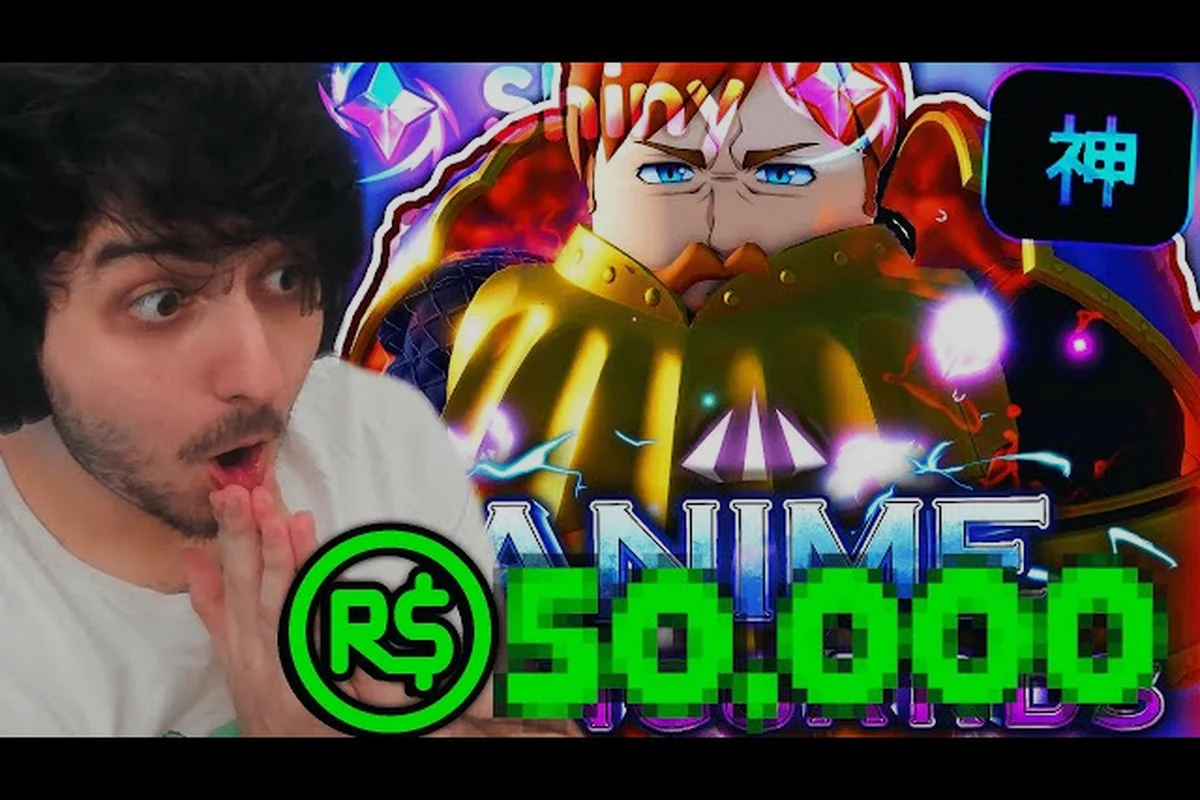
Spotting the anime vanguards most valuable units before the next value shift is the difference between a portfolio that compounds and one that bleeds. A handful of exclusives carry the entire market, and knowing which ones stay liquid during off-seasons is what separates casual traders from consistent winners. This breakdown maps the rarest units, the shiny tier, limited drops, and event exclusives that actually move — plus how to structure a win trade around them.
Why Anime Vanguards Unit Value Spikes and Crashes
The anime vanguards most valuable units list is not static. It reacts to banner rotations, event reruns, developer announcements, and meta shifts inside the tower defense mode. Community-tracked value lists on anime vanguards value list update confirm that a unit can jump three tiers overnight when a limited banner returns, then cool off once the supply spike clears.
Three forces drive almost every price move in the trading economy:
-
Banner scarcity: units tied to a single banner window are minted in fixed numbers. Once that banner closes, supply stops expanding, and existing copies become the only path.
-
Meta relevance: a unit that suddenly fits a top-tier challenge deck gains value because demand spikes while supply stays flat. The reverse is also true — a unit that falls out of the meta loses demand even if it stays rare.
-
Event reruns and anniversaries: anniversary events and seasonal reruns often reintroduce a small number of older units, creating a brief supply bump that resets value floors.
Understanding those three forces is the foundation for reading any value list. The rarest unit in the game is only worth what the market still wants, and that want fluctuates with every patch.
Supply vs Demand in the Anime Vanguards Economy
Supply is fixed once a banner closes, but demand is a moving target. Players report that the most expensive units in the trading economy are almost always shiny variants because shiny pulls carry an estimated 0.1–0.5% drop rate from banner rolls. That sub-1% supply is what pushes anime vanguards shiny value into the top tier of any list. When an event or anniversary rerun adds a few extra shiny copies to the pool, prices soften for a week or two before snapping back.
Demand follows the meta, and the meta follows what clears the hardest challenge floors fastest. If a new update introduces an ability that synergies perfectly with a previously niche unit, that unit's demand curve bends upward almost immediately. Traders who watched the patch notes and pre-loaded that unit before the meta caught up are the ones banking the biggest margins.
Rarest Unit Tier Breakdown
The anime vanguards rarest units sit in a tight band of three to five units at any given time, and they dominate every win trade negotiation. Below is a community-built tier snapshot based on demand and trade frequency reported across player trading hubs.
| Tier | Example Units | Typical Trade Role | Liquidity |
|---|---|---|---|
| S-Tier (Godly) | True Shadow Monarch, Anniversary Shiny variants | Anchor in any win trade, often traded 1:2 or higher | Very low, hoarded |
| A-Tier (Mythic Rares) | Banner-locked mythic units, Sung Jin Woo variants | Strong trade chips, near 1:1 with other top units | Low |
| B-Tier (High Demand) | Event exclusives, certain shiny units | Solid middle-of-deal units, balanced trades | Medium |
| C-Tier (Stable) | Standard mythic, legacy event units | Filler units, common trade ballast | High |
True Shadow Monarch anchors the S-tier almost every patch because of its iconic status and combat performance. Anniversary shinies enter and exit the S-tier depending on whether the anniversary banner is active, but during the active window they trade at premium prices because the banner is the only way to obtain them. anime vanguards mythic units breaks down the summon paths for these top-tier entries.
What Makes a Unit "Rarest"
A unit earns the rarest label when three conditions stack: limited-time availability, low drop probability, and sustained demand after the banner closes. The combination of those three filters is what creates anime vanguards rarest unit value. A shiny unit pulled during a rerun is technically rare, but because reruns add supply, the rarity premium is smaller than a unit that has not had a banner in months.
Community data shows that the rarest units also tend to be the most visually distinctive. Units with unique idle animations, signature voice lines, or crossover-flavored designs hold demand longer because collectors value them beyond pure combat use. That collector demand is what props up anime vanguards event unit value even when the meta shifts away from those kits.
Shiny and Limited Unit Value
Shiny variants are the most consistently volatile segment of the anime vanguards rarest units list. Because shiny rolls are a probability layer on top of the standard banner pull, every shiny copy that enters the economy is statistically rare, and that rarity translates directly into anime vanguards shiny value.
| Variant Type | Source | Demand Driver | Trade Profile |
|---|---|---|---|
| Shiny (any banner) | Random shiny roll, ~0.1–0.5% chance | Visual rarity, collector demand | Premium over base unit |
| Limited (banner-locked) | Specific banner only | Cannot be obtained elsewhere | Top-tier trade chip |
| Event Exclusive | Seasonal or anniversary event | Time-locked, often cannot rerun | High value during event, stable after |
| Anniversary Rerun | Re-released during anniversary | Supply bump but nostalgia demand | Volatile for 1–2 weeks |
Limited units are the most reliable store of value because supply is permanently fixed. Event exclusives can sometimes reappear through anniversary reruns, but the rerun supply is small enough that anime vanguards limited unit value usually recovers within a month of the rerun window closing. Traders who buy event-exclusive units during the rerun dip historically lock in the best long-term positions.
Reading the Anime Vanguards Shiny Value Curve
Anime vanguards shiny value follows a recognizable arc. On day one of a banner, shiny demand is high because whales and collectors are actively pulling. By day three to five, the early-pull shinies start hitting the trading floor, and the first wave of trades sets a temporary price floor. After the banner closes, shiny supply freezes, and the price floor typically climbs 20–40% over the following two to three weeks.
The curve resets when an anniversary or seasonal event reintroduces a small shiny pool. During that rerun, prices soften temporarily, then re-establish the post-banner trajectory once the rerun window ends. Reading this arc is how experienced traders decide when to sell into demand versus when to hold through a temporary dip.
Event and Banner Windows That Move Value
Event and banner windows are the single biggest external driver of value shifts in the trading economy. A new banner introduces new units and pulls demand away from older units, while anniversary events redistribute a small slice of older supply back into the market. Tracking these windows is essential for timing any anime vanguards win trade.
| Window | Typical Effect | Trader Play |
|---|---|---|
| New banner launch | Old banner shinies lose short-term demand | Sell into pre-launch demand if possible |
| Banner closing (last 24h) | Shiny supply freezes, demand peaks | Hold through close, sell into post-banner scarcity |
| Anniversary event | Small supply bump on legacy units | Buy rerun exclusives during the dip |
| Mid-season update | Meta shifts change demand curves | Pre-position units that fit new synergies |
| Off-season (no event) | Stable floors, lower volume | Best window for portfolio rebalancing |
The closing hours of a banner are historically the most profitable window for sellers. Demand peaks because the pool is about to close, and any shiny that hits the trading floor in the final hours trades at a premium because buyers know they cannot pull another one. Post-banner, sellers can wait for the natural scarcity premium to develop over the following weeks.
Anime Vanguards Event Unit Value Patterns
Anime vanguards event unit value follows a pattern that community traders have mapped fairly reliably. Units tied to a Halloween, Christmas, or summer banner spike during their active window, then settle into a new floor roughly 15–25% above their pre-event baseline. Anniversary events compress that floor temporarily because of the supply bump, but the floor usually reasserts within a month.
The safest long-term hold in this category is a unit from a one-time collaboration event that has never rerun. Those units have a permanently fixed supply and a nostalgia premium that grows every year. Traders who positioned in collaboration exclusives early are now sitting on the most stable assets in the anime vanguards rarest unit value category.
Structuring a Win Trade Around Top-Tier Units
A win trade is any trade that leaves both sides feeling like they got value, but the term is most often used for trades involving a top-tier unit. Building a consistent anime vanguards win trade strategy comes down to three habits: knowing the current value list, holding a balanced portfolio, and timing trades around banner windows.
The first habit is the easiest to build. Bookmark a regularly updated value list and check it before every trade. Lists like anime vanguards trading values update daily, and a 30-second check before each negotiation can prevent a bad trade. The second habit — portfolio balance — is what keeps a trader liquid. Holding three to five B-tier units plus one or two A-tier anchors is the structure most active traders use. The third habit — timing — is where the real edge comes from.
Step-by-Step: Building a Win Trade
-
Step 1: Identify your target unit — pick the unit you want most, then check its current floor on a live value list.
-
Step 2: Inventory your offers — sort your own units by demand tier, and identify the highest-demand unit you are willing to part with.
-
Step 3: Match the ratio — most win trades involving an S-tier unit settle at a 1:2 or 1:3 ratio (one S-tier for two or three A-tier units). For shiny trades, the ratio widens to 1:5 or higher depending on the shiny.
-
Step 4: Add a balancer — if the ratio is off by a tier, throw in a B-tier unit as a balancer. This is the move that turns a fair trade into a win trade for both sides.
-
Step 5: Confirm the value list — recheck the value list right before the trade goes through, because banner events can shift prices within hours.
A practical example: a trader wants a True Shadow Monarch and is offering one A-tier mythic plus two B-tier units. That package is roughly a 1:3, which is in the standard range. If the other side counters with a different A-tier and one B-tier, the trader can accept or add a small balancer to close the gap.
Mistakes That Sink a Win Trade
Three mistakes show up in nearly every failed trade reported on community hubs. First, trading a top-tier unit for a bundle of low-demand filler units that looks larger on paper than it is in actual market value. Second, rushing a trade at banner close without checking the live value list, which means accepting a stale price. Third, ignoring scam patterns documented in anime vanguards trade scam guides, which still catch new traders every banner.
Another subtle mistake is trading shiny units one-for-one with base mythic units. A shiny is almost always worth at least two base mythics of equivalent tier, and many shiny trades clear at three or four base mythics. Knowing that floor is the difference between a fair trade and a generous one.
Frequently Asked Questions
What are the anime vanguards most valuable units right now?
True Shadow Monarch and the active anniversary shiny variants are the most valuable at any given patch. They trade at a 1:2 or higher ratio against standard mythic units and rarely lose value because their supply is permanently fixed. Banner-locked mythics sit just below them in the A-tier.
How does anime vanguards shiny value change over time?
Shiny value usually climbs 20–40% in the two to three weeks after a banner closes, because no new shiny copies can enter the economy. Anniversary reruns create a brief supply bump that softens prices, but the post-rerun floor typically reasserts within a month.
What drives anime vanguards event unit value the most?
Time-locked availability is the biggest driver. Units from one-time events that never rerun have a permanently fixed supply and tend to gain value every year as nostalgia demand builds. Units that rerun during anniversaries see a temporary dip followed by a recovery to the pre-rerun floor.
How do I structure an anime vanguards win trade?
Start with a live value list, then match units by tier at a ratio of roughly 1:2 or 1:3 for top-tier trades. Add a B-tier balancer if the ratio is off, and recheck the value list right before confirming. Avoid trading shiny units one-for-one with base mythics, because shinies almost always carry a 2x or higher premium.
What should beginners focus on first when trading in anime vanguards?
Beginners should focus on building a balanced portfolio of three to five B-tier units and one A-tier anchor before chasing S-tier trades. Learning the value list, the banner schedule, and the basic scam patterns in anime vanguards what can you trade is the fastest way to trade confidently without overpaying.